



Dark Sky Conservation in Goathland, North Yorkshire
Protecting the Night Sky
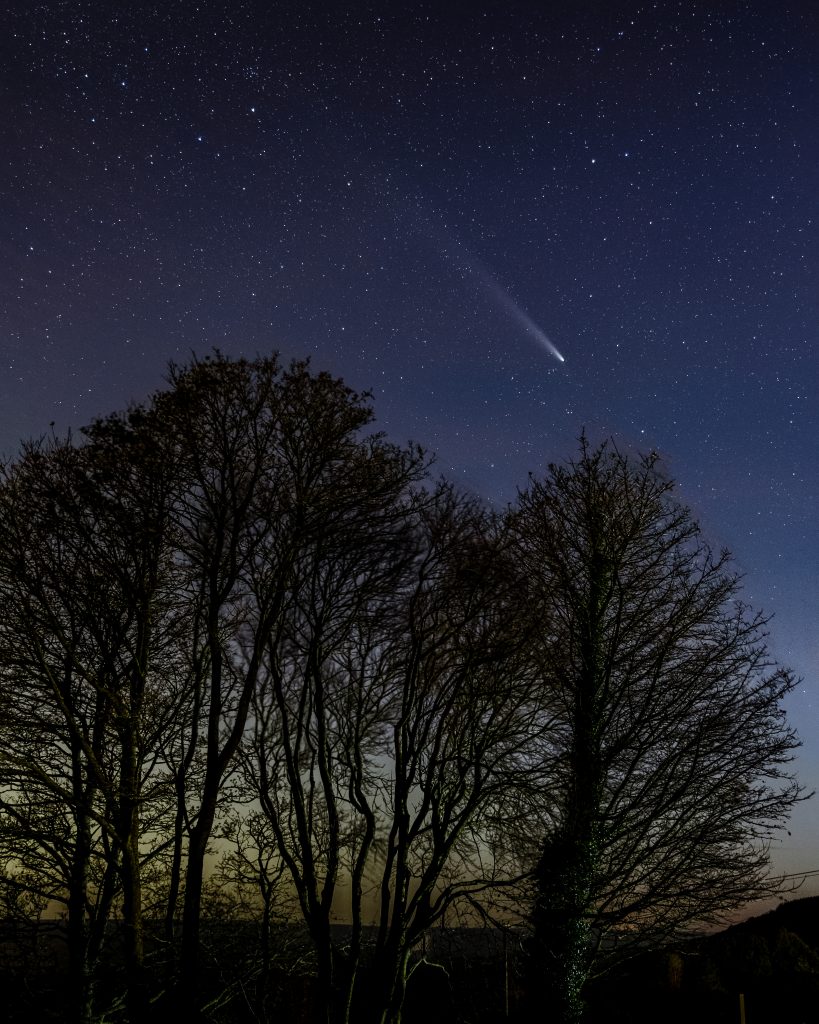
Goathland Parish lies within the North York Moors National Park (NYMNP) which has been designated as an International Dark Sky Reserve, one of only 26 in the world.
The NYMNP sits alongside other reserves such as Namibiaʼs NamibRand Nature Reserve, River Murray Australia, Central Idaho, USA and closer to home Bavarian Forest Star Park in Germany, Cévennes National Park in France and in the UK, Eyri National Park (Snowdonia) and Exmoor.
This designation reflects the exceptionally low levels of light pollution across our Moors and the outstanding quality of our night skies.
Goathland Dark Skies Group
We have a duty to protect this rare natural environment around us, and so have formed a specific Goathland Dark Skies Group within the Goathland Nature Group. The aim of the Goathland Dark Skies Group is to highlight the need to protect and indeed enhance our night sky, whilst helping residents to assess and change their lighting needs to be dark sky friendly.
We are totally convinced that Dark Skies are indeed important, not just because we are able to see such a clear and beautiful night sky over Goathland. Throughout the year we enjoy a constantly changing array of stars, meteors and planets such as Jupiter, Venus and Mars above our heads.
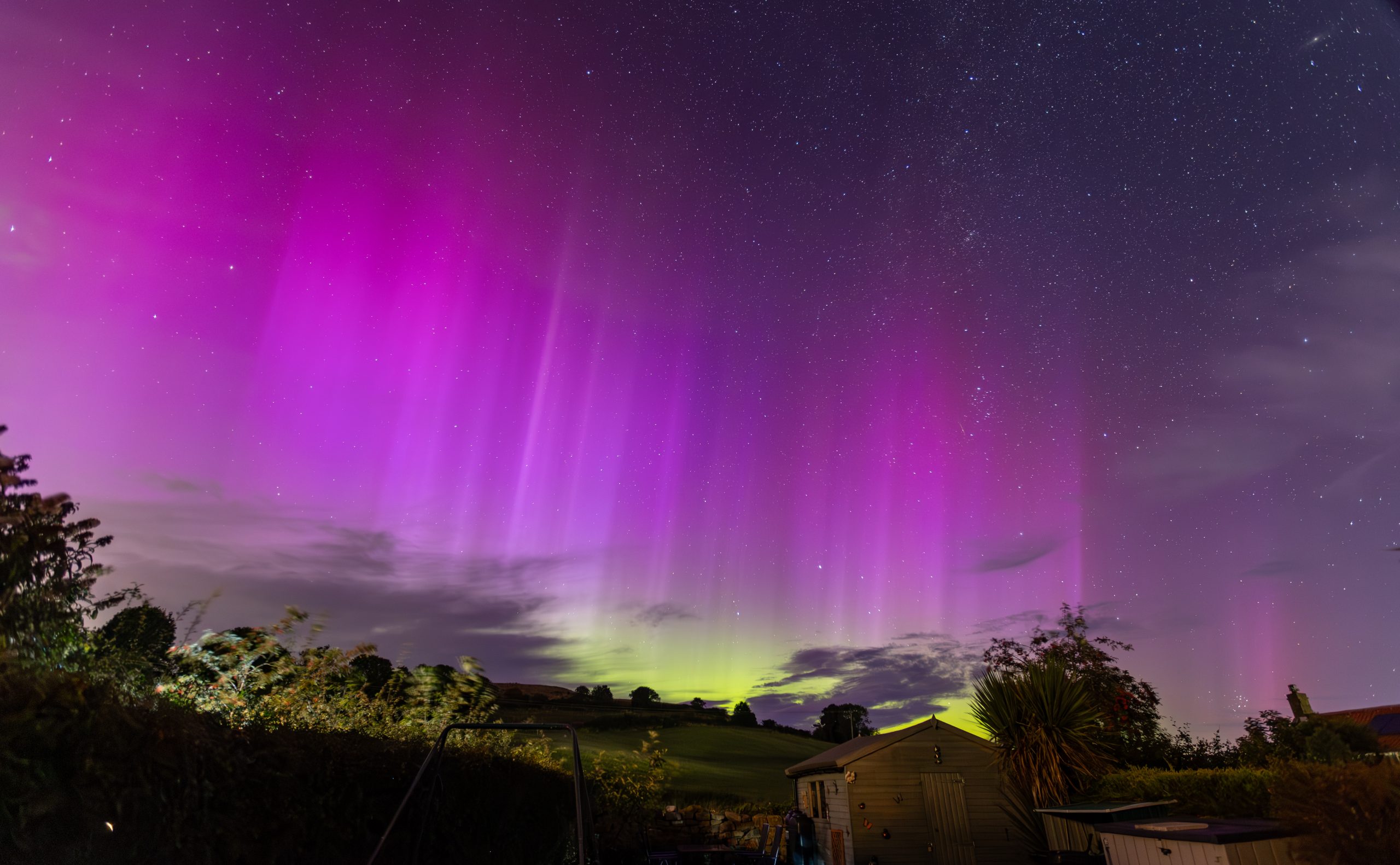
Occasionally, we also get to see the International Space Station and even the splendour of the Aurora Borealis (Northern Lights).
We are fortunate to be amongst only 23% of people in the UK who can actually see the Milky Way!
Next time you visit any city, compare what you see here with the handful of stars visible there.
But Dark Skies are about more than astronomy — they are also vital to wildlife, ecological balance of the natural environment and human wellbeing.
Why Dark Skies Matter for Nature
There are many reasons why darkness is important.
All life on earth, including humans, have evolved to respond to periods of darkness, and could not function as well in constant daylight.
The diurnal and seasonal variation of darkness controls many important processes in nature. If you visit the moors at night, you will experience a totally different group of animal sights and sounds. Many animals will feed at night, using the dark to hide from predators. Conversely nocturnal birds, and other predators, have evolved to hunt in the dark, and can even navigate by moonlight and the stars.
Migratory birds depend on cues from properly timed seasonal darkness to arrive in the UK for the ideal climatic conditions for feeding and nesting. Trees, and other plants, rely on shortening daylight length to shed their leaves and prepare for the coming winter.
Why Dark Skies Matter for Humans Too
Like most life on earth, humans adhere to a circadian rhythm that is governed by the natural day/night cycle. This cycle is largely influenced by photoreceptors within the eye. It’s important for every human to experience daylight during the day and minimize the amount of light entering their eyes at night to maintain health. The hormone melatonin is produced in response to darkness, and is important for our sleeping patterns and immune function.
Many studies have shown that good darkness at night, mainly by improving our sleep patterns, does indeed improve human health including decreased risk for sleep disorders, depression, obesity, diabetes, heart disease and even cancer.
There really is a whole host of evidence about the importance of darkness to life on earth. See the Artificial Light at Night: State of the Science 2024
Artificial Light is Disrupting our Dark Skies
Artificial light is perhaps the fastest growing pollution causing harm within our natural environment. It has only really appeared in the last 50 years and is increasing at an alarming rate.
It disrupts the natural dark skies that are crucial for nature and humans alike. It affects far more than just our view of the stars. It disrupts many natural rhythms that wildlife depends upon.
Excessive or poorly directed lighting can:
- Disorient migrating birds
- Interfere with bat feeding patterns
- Reduce moth populations (key pollinators and food sources)
- Disturb hedgehogs and other nocturnal mammals
- Alter plant flowering and insect behaviour
- Affect human health
Preserving darkness helps maintain the natural cycles that support biodiversity across the moorland, woodland and village habitats around Goathland Parish.
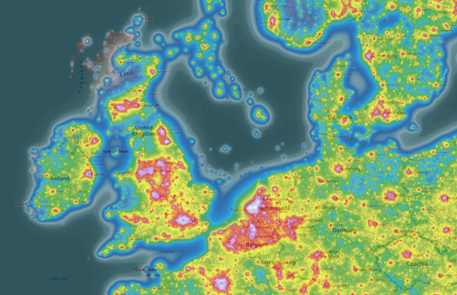
Look at this photo which shows areas of excessive light (Yellow, through red to white areas)
Simple Ways to Reduce Light Pollution
We can all play a part in protecting our night environment. Small changes make a meaningful difference. Always consider whether you need to use any outside lighting or not and then shade it from the environment as much as possible.
Follow these five principles for responsible lighting:
- USEFUL – Use light only if it is needed. Any light should be justified with a clear purpose and benefit.
- TARGETED – Direct light so it falls only where it is needed. Zero upward light is essential.
- LOW LEVEL – Light should be no brighter than necessary.
- CONTROLLED – Use light only when it is needed. Turn off with manual switches, timers or proximity (PIR) sensors.
- WARM COLOURED – Use warmer coloured lights. Lamps should be 3000K or less.
Responsible lighting keeps our village safe while safeguarding wildlife and preserving our shared view of the beautiful dark night sky. Members of the Goathland Dark Skies Group are working to protect the night. If you are interested in getting involved please contact us.
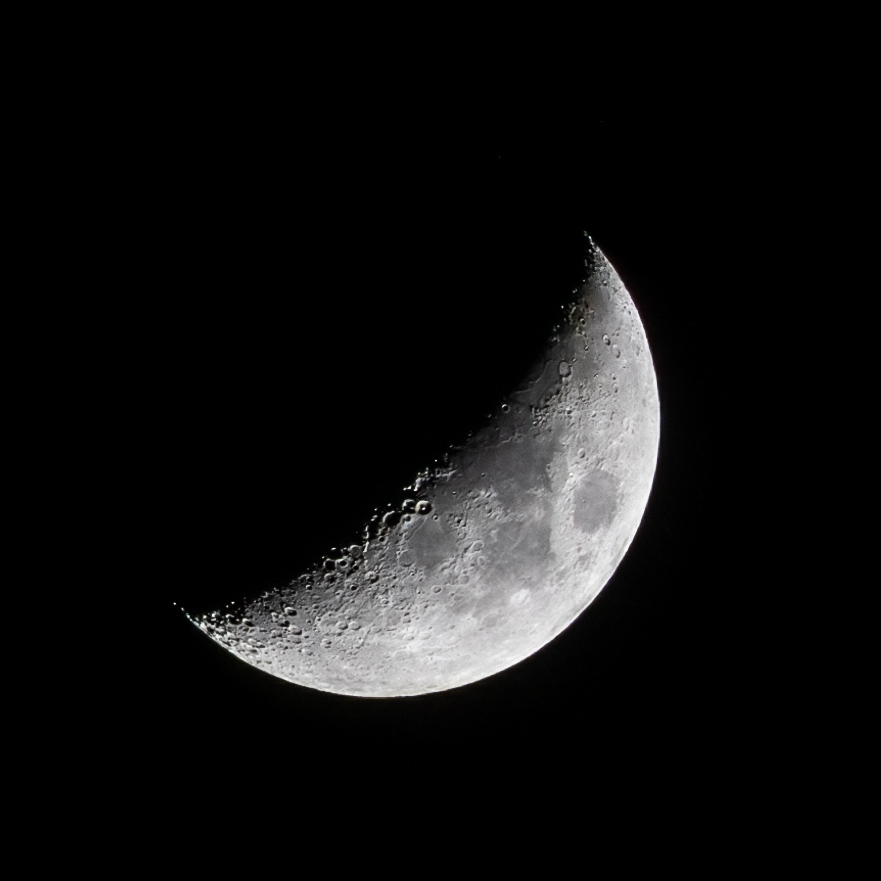

Star Gazing in Goathland
With minimal light pollution, Goathland offers exceptional opportunities for:
- Milky Way viewing (late summer and autumn)
- Winter constellations such as Orion
- Meteor showers throughout the year
- Planet spotting with binoculars or small telescopes
- Even stepping outside on a clear evening can reveal a sky many parts of the UK no longer experience.
Our Commitment
At Goathland Nature, dark sky conservation forms part of our wider mission to protect local biodiversity. By raising awareness, encouraging responsible lighting and celebrating our remarkable night skies, we aim to ensure that both wildlife and future generations can continue to benefit from true natural darkness.
Protecting nature doesn’t stop at sunset. It continues under the stars.
Our thanks go to Richard Randle for the superb astrophotography featured on this page.