



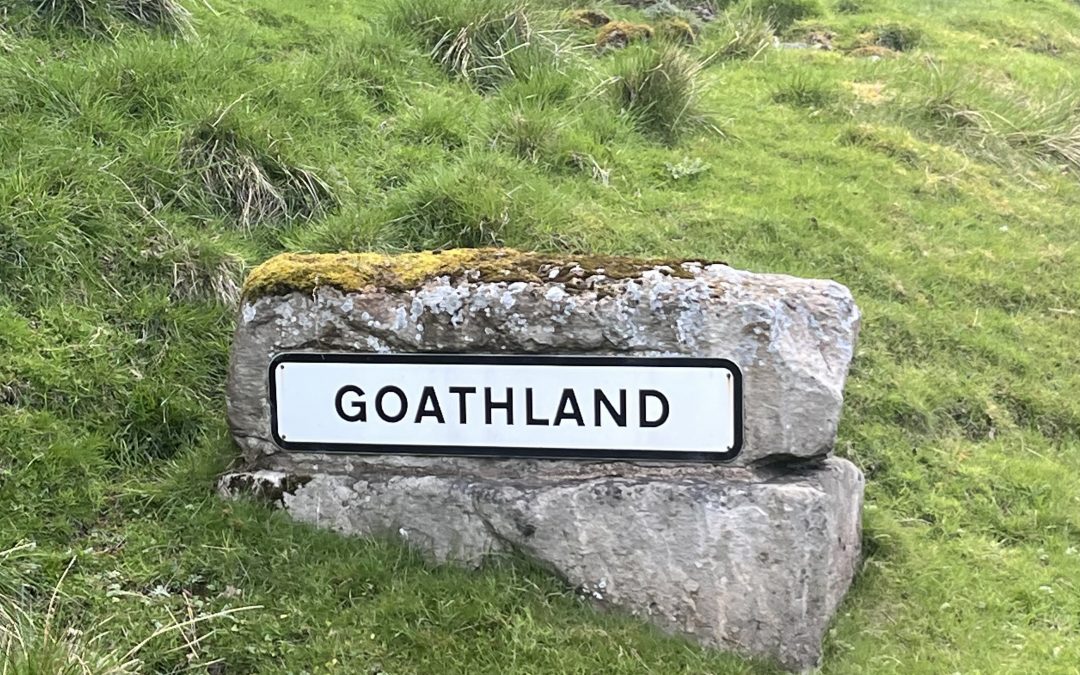
At the invitation of Goathland Parochial Church Council members of the Goathland Nature Group undertook a nature scoping survey of St. Mary’s churchyard in Goathland. The purpose of the activity was to gain a better understanding of the area’s biodiversity – the number of different species of wildlife that presently inhabit the site – as a basis for making any recommendations for both supporting existing nature and identifying ways to increase the nature-friendly potential of the site.
The Natural Value of Churchyards
Churchyards normally comprise a range of features that can provide a diverse and rich habitat for nature: the church building, churchyard boundaries, gravestones, trees, grassland and flowerbeds. Together these support wildlife’s need for food, and places to nest, roost and hibernate.
Potential wildlife to be found in churchyards includes:
Plantlife – Grasses, flowers, fungi, ferns.
Trees and shrubs – There may be ancient and veteran trees, as well as many trees planted in the Victorian period which are now mature.
Birds, Animals, Bats – Eight of the eighteen species of bats in the UK are known to use cavities and crevices in church buildings for roosting and hibernation.
Mosses and Lichens – Churchyards have been found to contain many UK lichen species (700 out of about 2000), frequently rare and sometimes unique to such a habitat.
Invertebrates – Ants; Bees and wasp; Beetles; Bugs; Butterflies; Crustacea, centipedes and millipedes; Damselflies; Dragonflies; Grasshoppers and crickets; Flies; Moths; Slugs, snails and freshwater mussels; Spiders; Other insects.
Many churchyards around the UK have been looking at ways to celebrate their nature and improve their biodiversity. A The Church of England website has an interesting Churchyard Wildlife section. To read more on this, click here.
Recording Nature
Regular recording of all nature in the churchyard, including common plants, birds and other wildlife, is helpful to monitor the rise or decline in species over a given time.
This first survey was undertaken on Friday 15 August 2025 and was conducted by 6 members of Goathland Nature Group.
It was a quick scoping survey that focused on the main features of the churchyard and the trees and plants. It did not examine invertebrates at this stage and it should be noted that as the survey was undertaken in Summer many of the plants found more easily in Spring may have been overlooked. Also, it may be expected that fungi are present in the Autumn. Moreover, more species may be present during the nighttime.
Species were photographed and identified by several online platforms including Google, Floraincognita and iNaturalist. They were recorded and uploaded onto the Goathland Parish Project on iNaturalist.
The churchyard surrounds the church building, and is divided into a new and old section.
The church building is built of stone.
The churchyard is contained by dry stone walling.
There is a compost heap and log pile.
Trees and shrubs
- Acer (Sycamore maple)
- Alder
- Beech (Tree and hedge) (Fagus sylvatica)
- Berberis (Barberries)
- Box
- Common Lilac (Syringa vulgaris)
- Conifer (Cypress)
- Cotoneaster
- Elder
- Goat Willow
- Hawthorn
- Hazel
- Holly
- Malus
- Oak
- Philadelphus (Mock Orange)
- Pine
- Rowan (Mountain Ash / Sorbus)
- Scandosorbus
- Silver Birch
- Walnut
- Whitebeam
- Yew (Trees and pruned bushes)
Plantlife
- Alchemilla Mollis (Lady’s mantle)
- Aquilegia
- Brambles (Genus Rubus)
- Burnet Saxifrage
- Buttercup
- Cichorieae
- Common cat’s ear (Flatweed / Hypochaeris radicata)
- Cuckoo pint (Lords and ladies / Arum maculatum)
- Daisy
- Didcots
- Euphorbia
- Fox and cub (Hieracium aurantiacum / Orange hawkweed)
- Foxglove
- Hawkweed (Hieracium sabaudum)
- Hebe
- Hypericum (Tutsan, St John’s Worts)
- Ivy
- Male fern
- Nettle
- Pendulous Sedge
- Plantain
- Rose
- Rosebay Willowherb
- Sorghum
- Thistle (Plume)
- Thistle (Cirsium)
- Wild strawberry
- Wood Ferns
- Yarrow
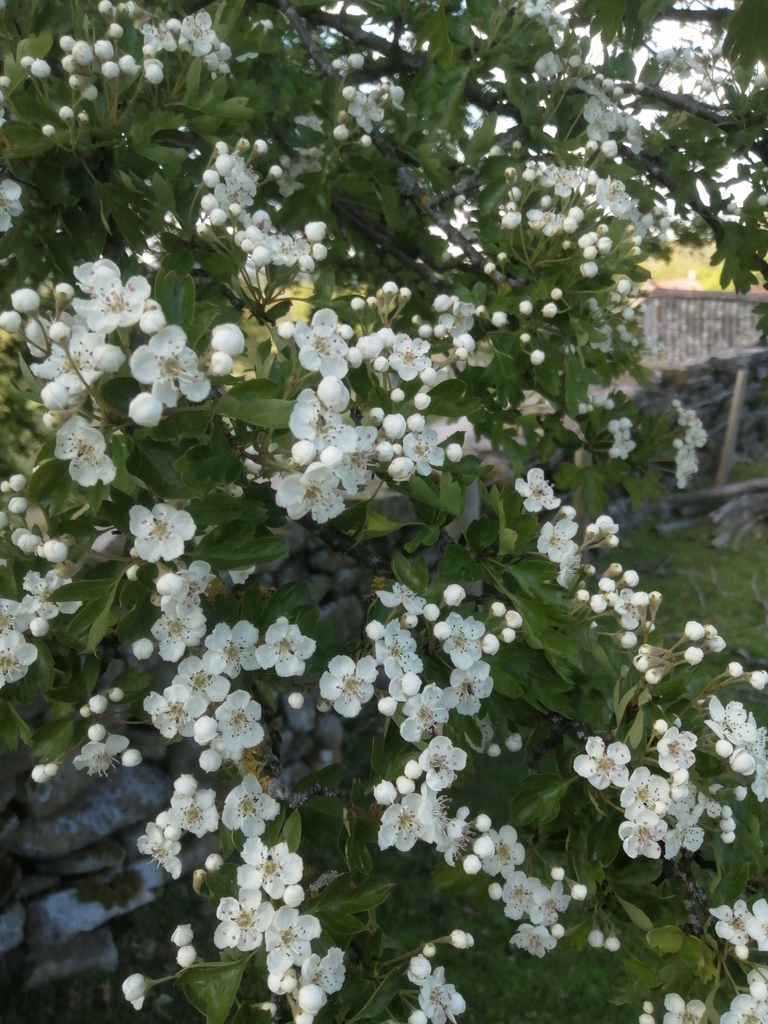
Hawthorn
Hawthorn
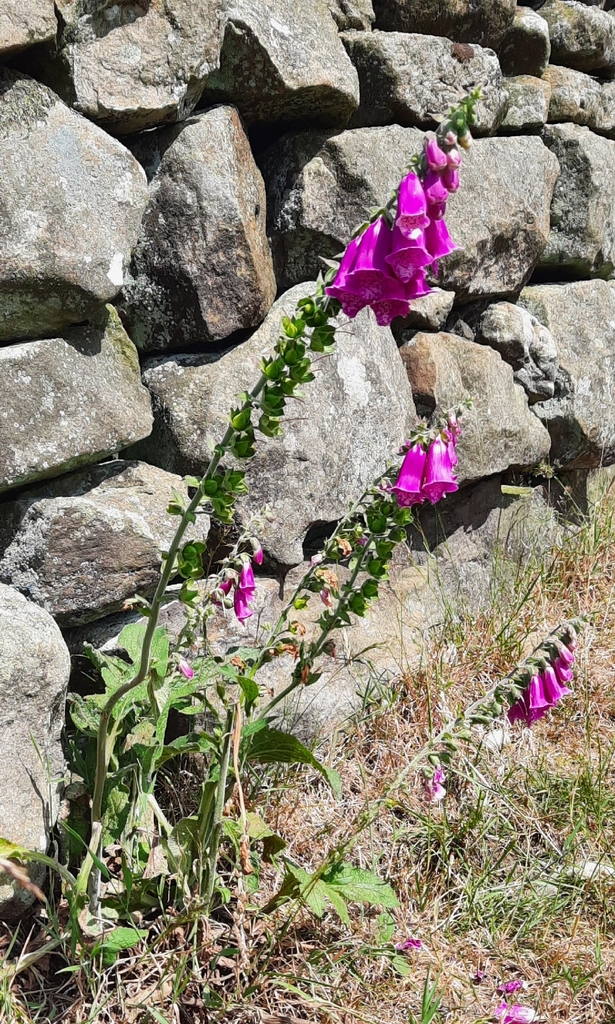
Foxglove
Foxglove
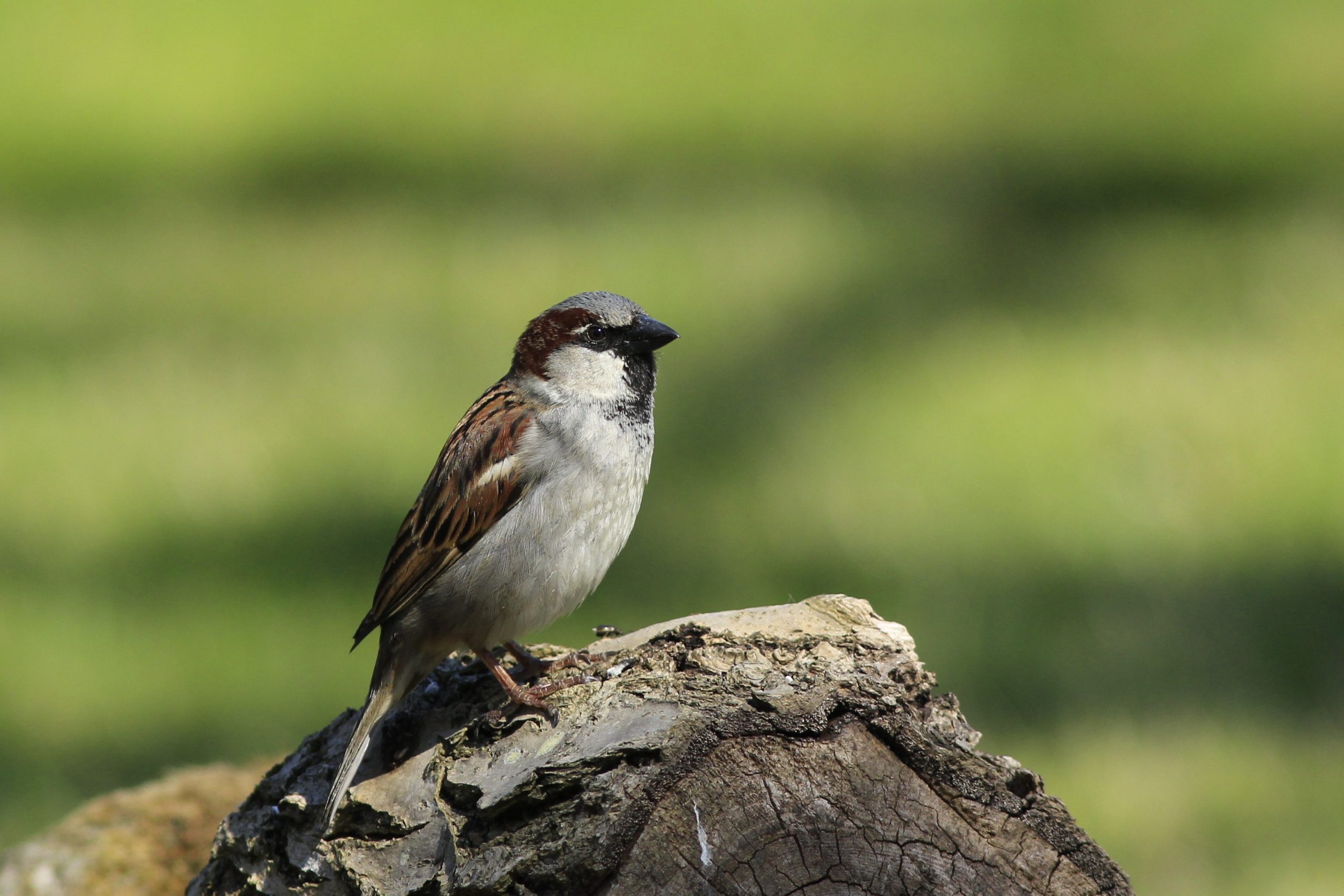
House Sparrow
House Sparrow

Strawberry plant
Strawberry plant
Conclusions
While only a quick snapshot audit of the churchyard’s biodiversity, the results of this scoping survey illustrate the good range of plant and tree species that currently exist. Over 21 different trees and shrubs are to be found and at least 24 plants also reside in the area. As mentioned earlier, this excludes many grasses and flowers that were harder to identify at that time of year. Moreover, we would expect to find many invertebrates, birds and perhaps some animals such as adders and hedgehogs. In general, we take these results to be very encouraging.
The churchyard already provides a wonderful habitat for wildlife. With this in mind, we’ve made the following suggestions to the Church Council to further strengthen its nature-friendly character.
Suggestions
- Smart Lawn mowing to stimulate wildflowers – To enable a wider range of wild flowers and plants to thrive try introducing a zonal pattern to cutting your grass. This could include neatly mown grass around the church building and paths; introducing some areas of medium size grass; and, allowing some areas to remain uncut in Spring and Summer.
- Nest Boxes – A variety of nest boxes can attract birds such as tits, robins, flycatchers and sparrows. Well placed boxes in trees could be used by tawney owls. Swifts in particular could benefit from special boxes to compensate for the declining number of available alternative sites.
- Bird feeders and water baths – could be introduced to encourage more birds into the churchyard.
- Bat boxes – Bats would benefit from addition of some bat boxes and a flowery meadow section.
- Deadwood piles – Create additional deadwood piles and continue with compost heaps in corners of the churchyard to provide nesting, foraging and hibernating opportunities for hedgehogs, slow worms, frogs and voles.
- Hotels – Introduce bug or bee hotels.
- Bioblitz – Undertake a regular bioblitz by inviting local residents and specialists to record species in the churchyard and upload them to iNaturalist. This could be during the national ‘Love Your Burial Ground Week’ which is organised by the ‘Caring For God’s Acre’ charity.
To see when our next Bioblitz events are visit our Events page. You’ll find full details of all our events including Talks, Bioblitz, Bat Walks, Litter picks and more.