



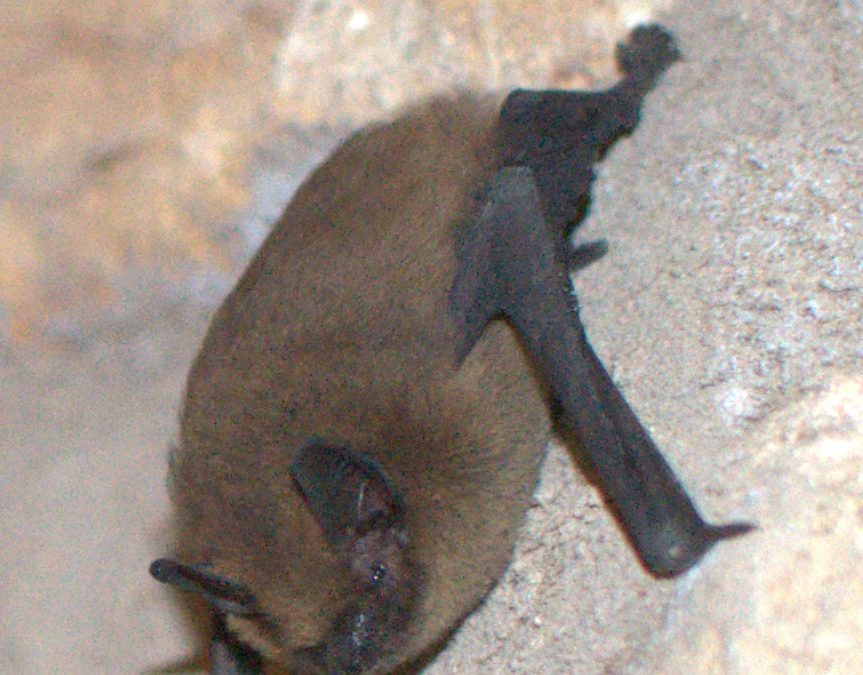
Here in the North York Moors National Park, at least ten species of bat have been recorded. The commonest are the pipistrelles which are the most likely species to be encountered in and around Goathland. Goathland Nature Group were invited by REConnect to partake in a bat monitoring project across the Esk Valley to investigate how many and which species are present. We were very hopeful that, because of our dark skies and plenty of old buildings and trees around, we should have a good population here. Thus, over the last 6 months we have been able to monitor bat (and other animal) sounds for 188 nights at 29 different properties in the Goathland Parish.
All bat species in Britain are insectivorous and require an abundance of insect prey as they have voracious appetites, with Common Pipistrelles reportedly catching over 3,000 insects each night. Bats use echolocation to search for and catch food. They send out bursts of high-pitched sound and listen for the echoes that bounce off insects, trees, and even the night air itself. They are nocturnal mammals that take advantage of the darkness and are affected by too much light. Fortunately, in Goathland, we have great dark skies! (You can read more about our Goathland Dark Skies, here).
Bats spend most of the winter hibernating, a state of inactivity characterised by lower body temperature, slower breathing, and reduced metabolic rate. In early spring they may leave the roost on warmer nights to find food and a drink of water, but generally they don’t come out of hibernation until April. Females then start forming maternity colonies whilst the males roost on their own or in small groups.
In early summer the females usually give birth to a single pup, which they feed on their milk. At around six weeks old, the young bats begin to catch insects for themselves and no longer need their mothers’ milk. At the end of summer maternity roosts begin to disperse and bats may move on to mating roosts. Mating season begins in early autumn and at the same time bats concentrate on building up fat stores for the coming winter hibernation period. And finally, as insects become harder to find they settle down for the winter hibernation once again.
Our Goathland Bats
We were loaned two sound recorders from the North York Moors National Park. A meter was put out at each residence for an average of 5 nights and during that time it recorded all ultrasonic sounds from bats, but also sounds from birds, other animals even some moths! The sound files were uploaded to the British Trust for Ornithology who categorise each sound and sent us back results a few days later. The results show how many bat sounds were heard, from which species, and which type of call was made, but not how many bats actually present. A single bat could be flying around a garden continuously and get recorded multiple times, or else a group of bats could fly over a garden once whilst commuting to a feeding site giving the same result.

Pipistrelle bat
Pipistrelle bat
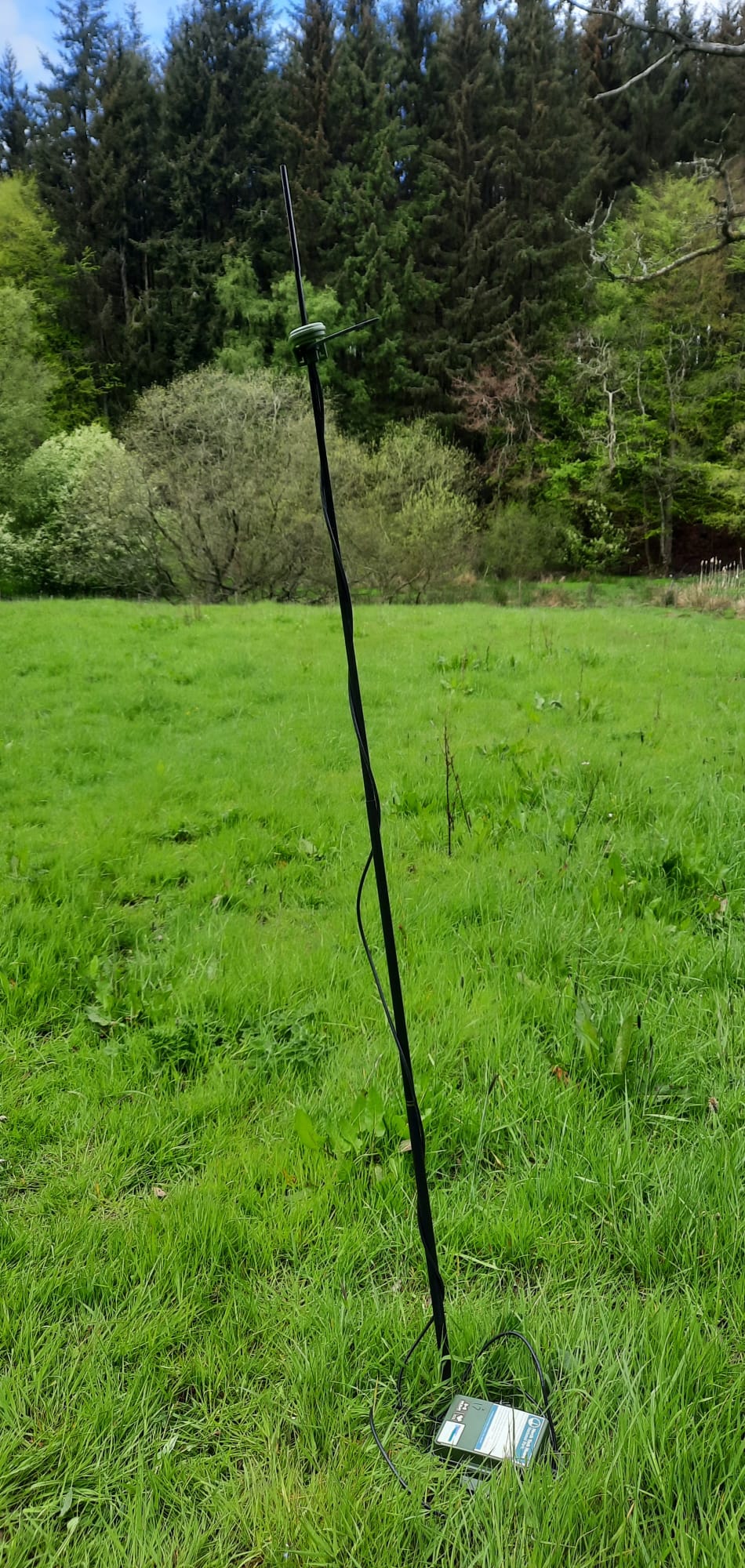
Goathland Nature Group – Bat detector
Bat detector in location
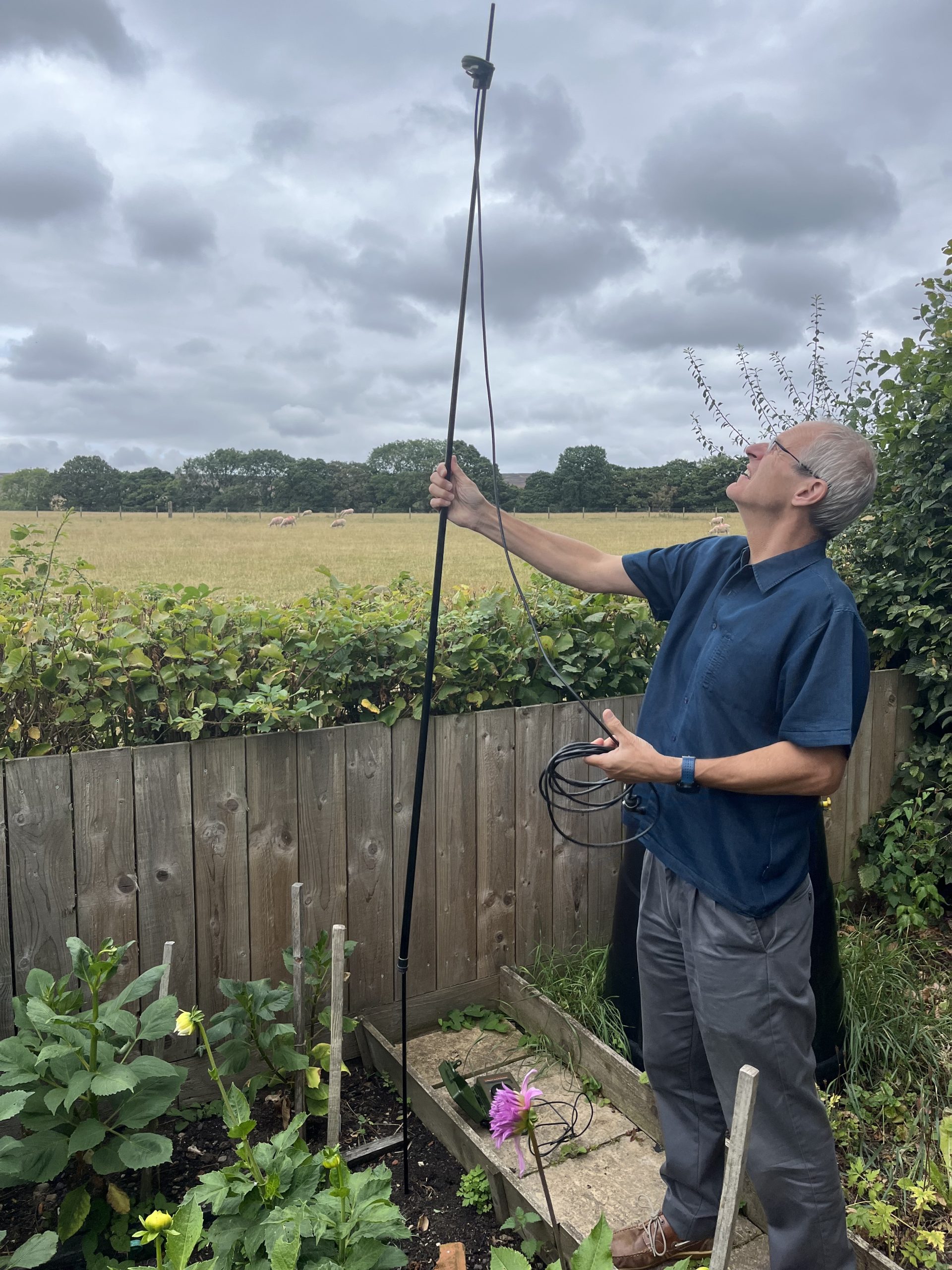
Bat detector being placed
Bat detector being placed
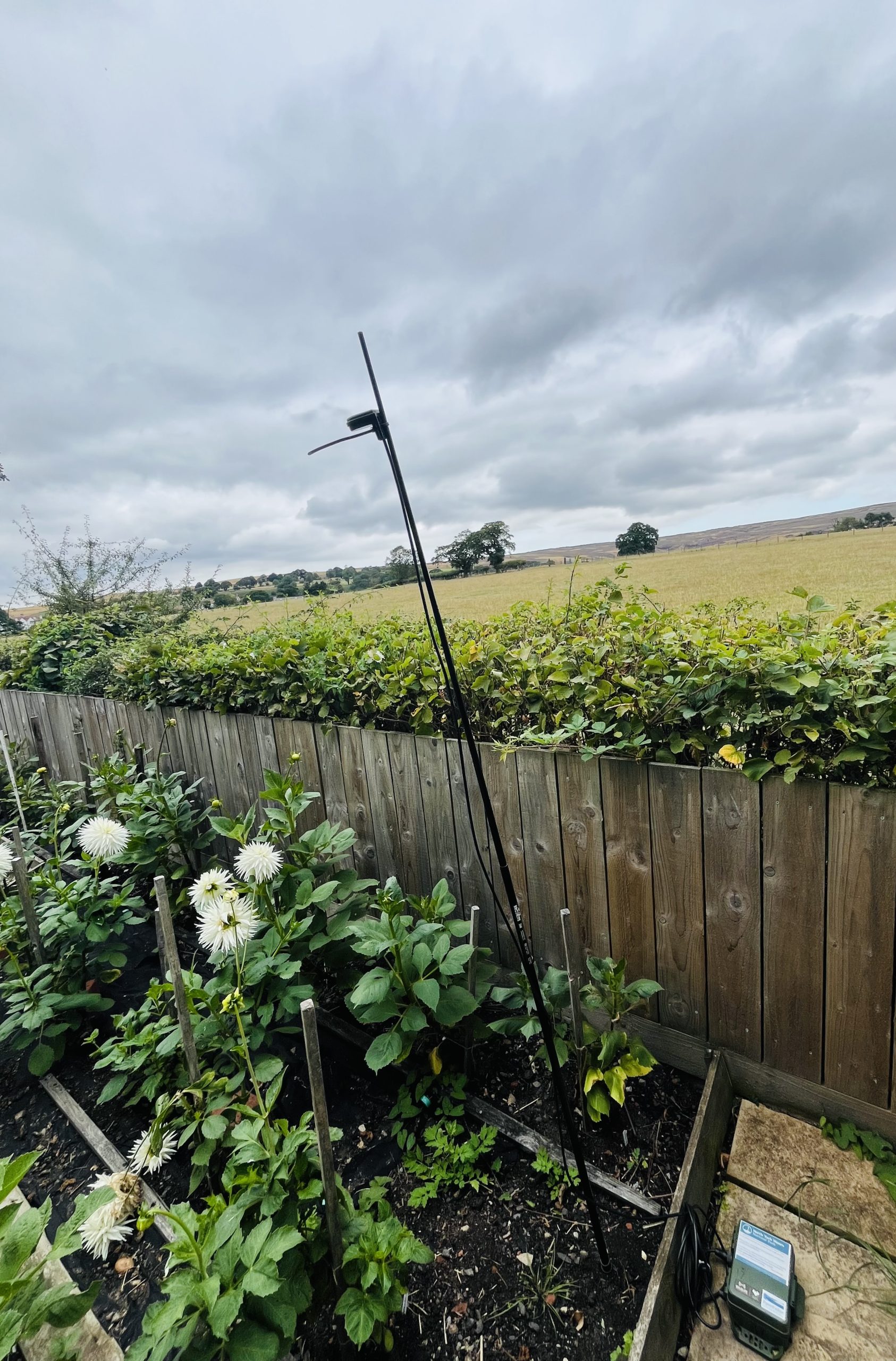
Bat detector in a Goathland garden
Bat detector in a Goathland garden
We have documented a whopping 127849 individual bat sounds in Goathland. This gave an average of 680 bat calls per night at each property. We were all really surprised and delighted that there were so many bats around! Not surprisingly the commonest bat species recorded was the Common Pipistrelle. 90% of bat sounds were from that species but we also documented sounds from 9 other species – see the chart below. You should know that only 11 species of bat have been recorded in North Yorkshire and 10 of them appear to be in and around in Goathland!
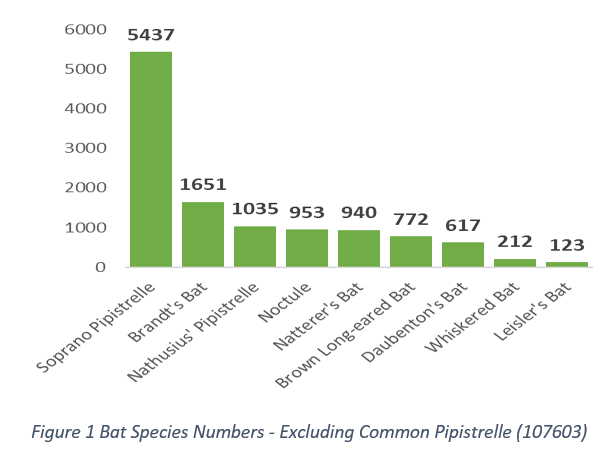
The high frequency sounds emitted from bats are not audible to the human ear, but the software used allows us to differentiate species and enlighten us on some bat activity. 80% of sounds seem to be made for echolocation, so allowing the bats to navigate around our countryside. 18% are social calls between bats, whilst the final 2% suggest the bats are actually using buzz sounds for feeding.
We have noticed that weather plays an enormous part in determining the amount of bat activity recorded. If it is too cold (808 vs 1360 sounds/ night) or if it is raining (671 vs 1308 sounds/ night) there are fewer bats around. The other pattern we have noticed is that the locality of the property alters the mix of bats heard. Those in the village recorded 766 bat sounds/ night vs 1041 in properties further afield. Those with water nearby seem to have a higher number of Daubenton bats recorded and it is the more rural properties only that seem to get Leisler’s and Noctule bats.
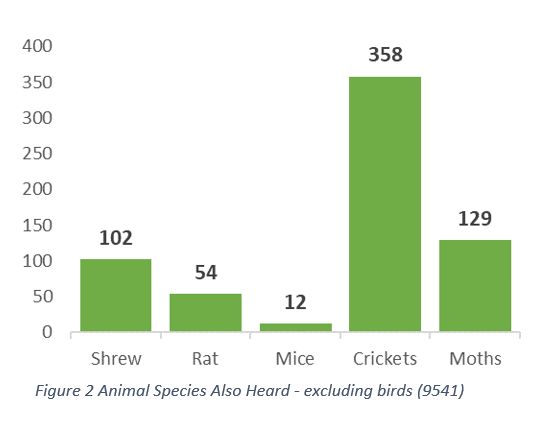
A big thank you goes to all the villagers who have allowed us to use their gardens for this bat survey, and a special thanks to Ken and Gary who have coordinated and run this project. I think everyone has really enjoyed the experience of being involved. If you would like to participate next year let us know at Goathland Nature.
Read more about our Goathland Bats project on our project page, here.