



Elaine is the local Ambassador for the BTO Garden Birdwatch, Natural History Curator for Whitby Museum and a member of Whitby Naturalists.
In this new regular series, Garden Birdwatch, Elaine shares her insights on garden birds (plus occasional visitors) through the seasons.
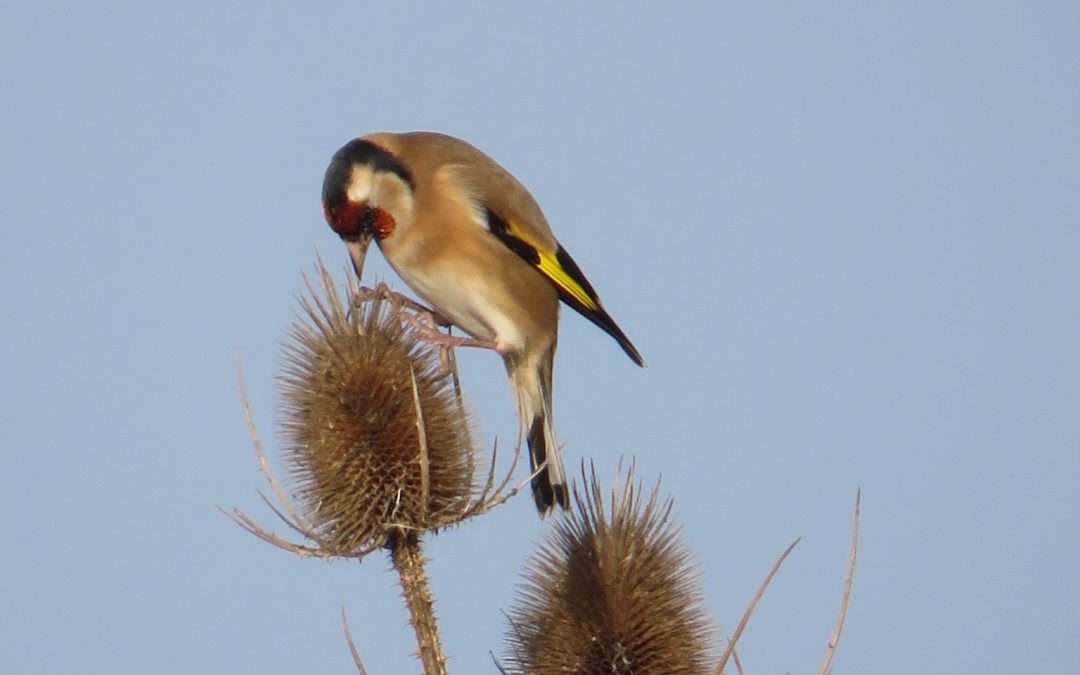
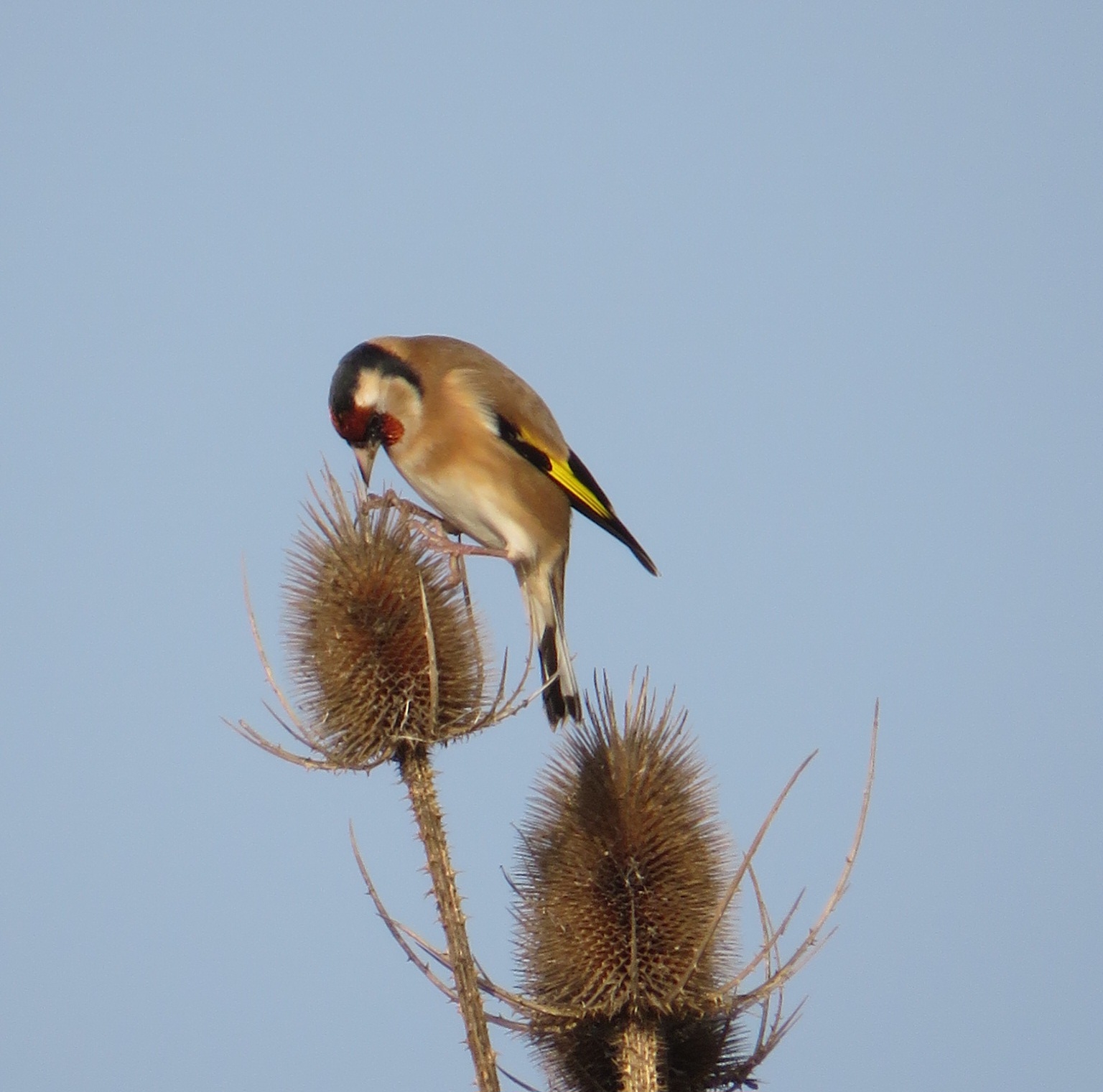
We currently have a large gathering of Goldfinch in the garden — more correctly termed a charm. Around sixty birds are feeding on the seed heads of knapweed, thistle and teasel. It is a perfect reminder of why gardeners should resist the urge to cut plants down as soon as flowering ends. I leave almost all my seed heads in place; they add colour and structure, and they provide essential nourishment for many of our common garden birds, including Bullfinches, Greenfinches, Tits and House Sparrows.
Observing and recording these birds is not always straightforward. When faced with a large number, I identify the predominant species and then count in blocks of ten. Replicating the ten gives a reliable approximation. For smaller groups, or for those who wish to be more accurate, the old‑fashioned method of pointing a pencil at each bird while counting still works well, at least until they take fright and fly off just as you are finishing.
Closer inspection of the Goldfinch charm revealed two Pied Flycatchers and a few Redpoll. Their presence is a clear sign that autumn migration is underway. Living beside the tidal Esk and the railway line (providing both route and overnight shelter) means that almost anything could turn up at any time. Already, the regular coastal shelter spots are producing good numbers and a wide variety of migrants. It also seems to be a good year for spotting Wryneck (source: BTO BirdTrack), that skulking, elusive member of the Woodpecker family. They no longer breed in Britain; those we are seeing are passing through from Scandinavia on their way to wintering grounds in Africa. I always count myself fortunate to see one. This year I’ve seen two!
House Sparrow
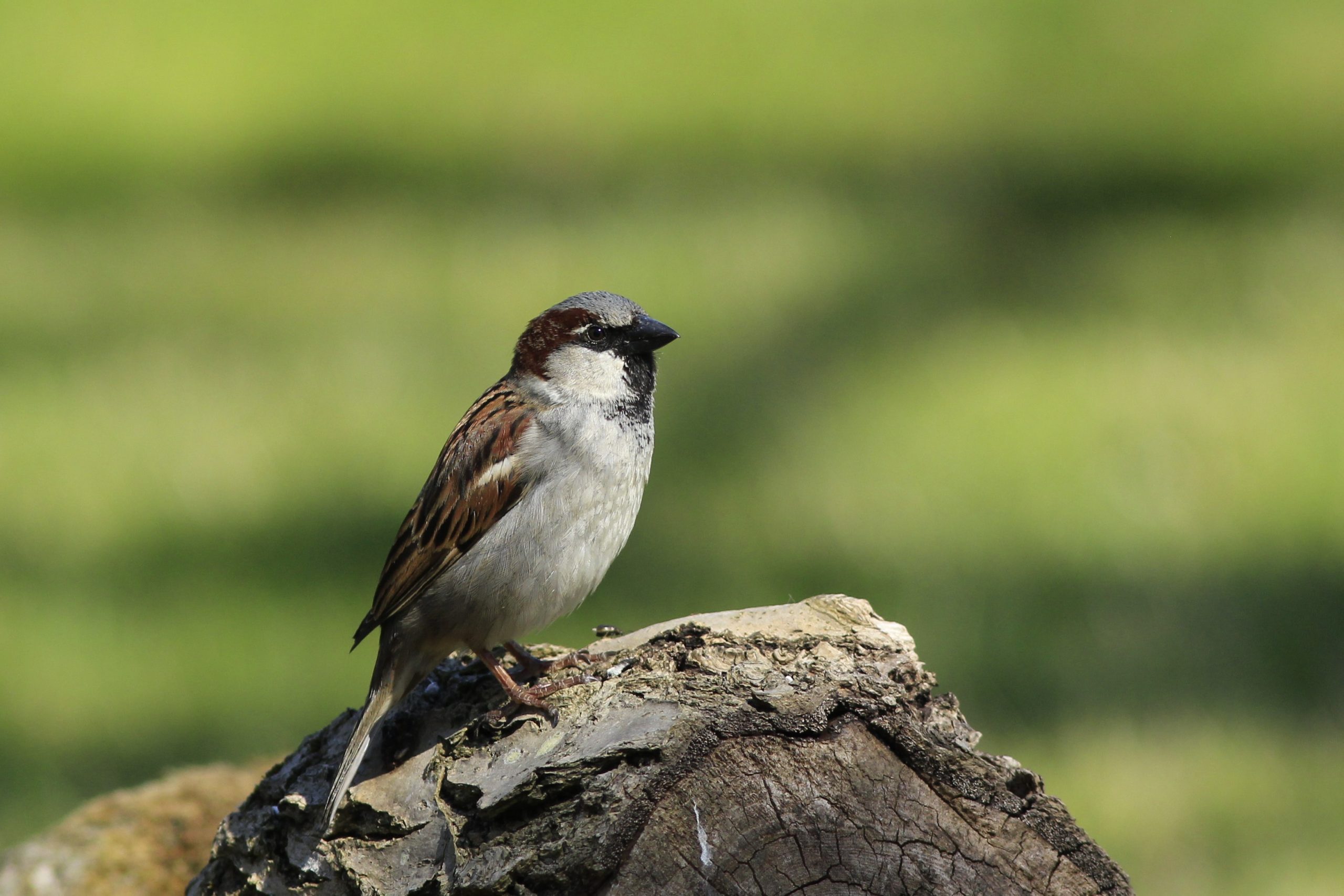
House Sparrow
Goldfinch
Goldfinch
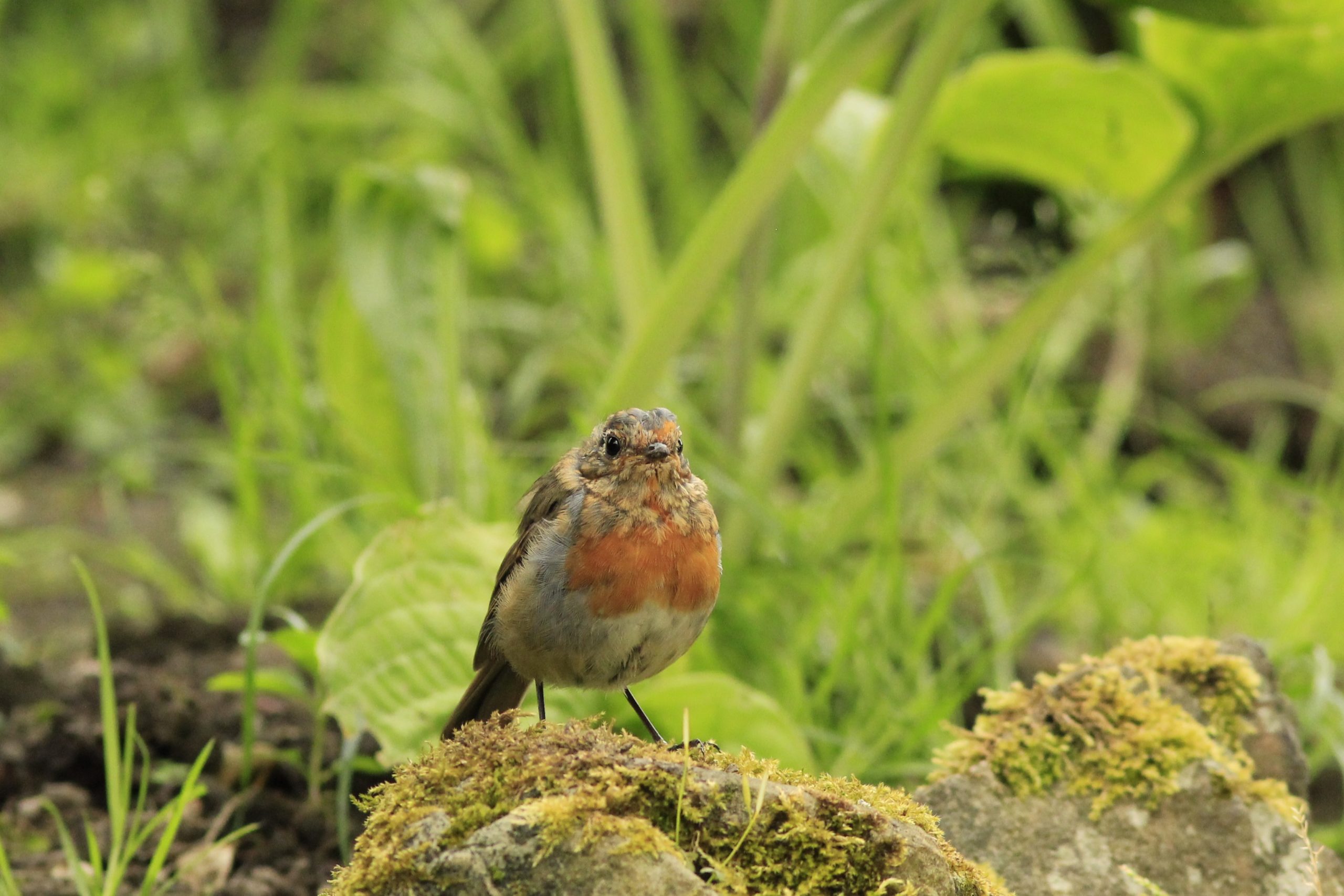
Juvenile Robin
Juvenile Robin
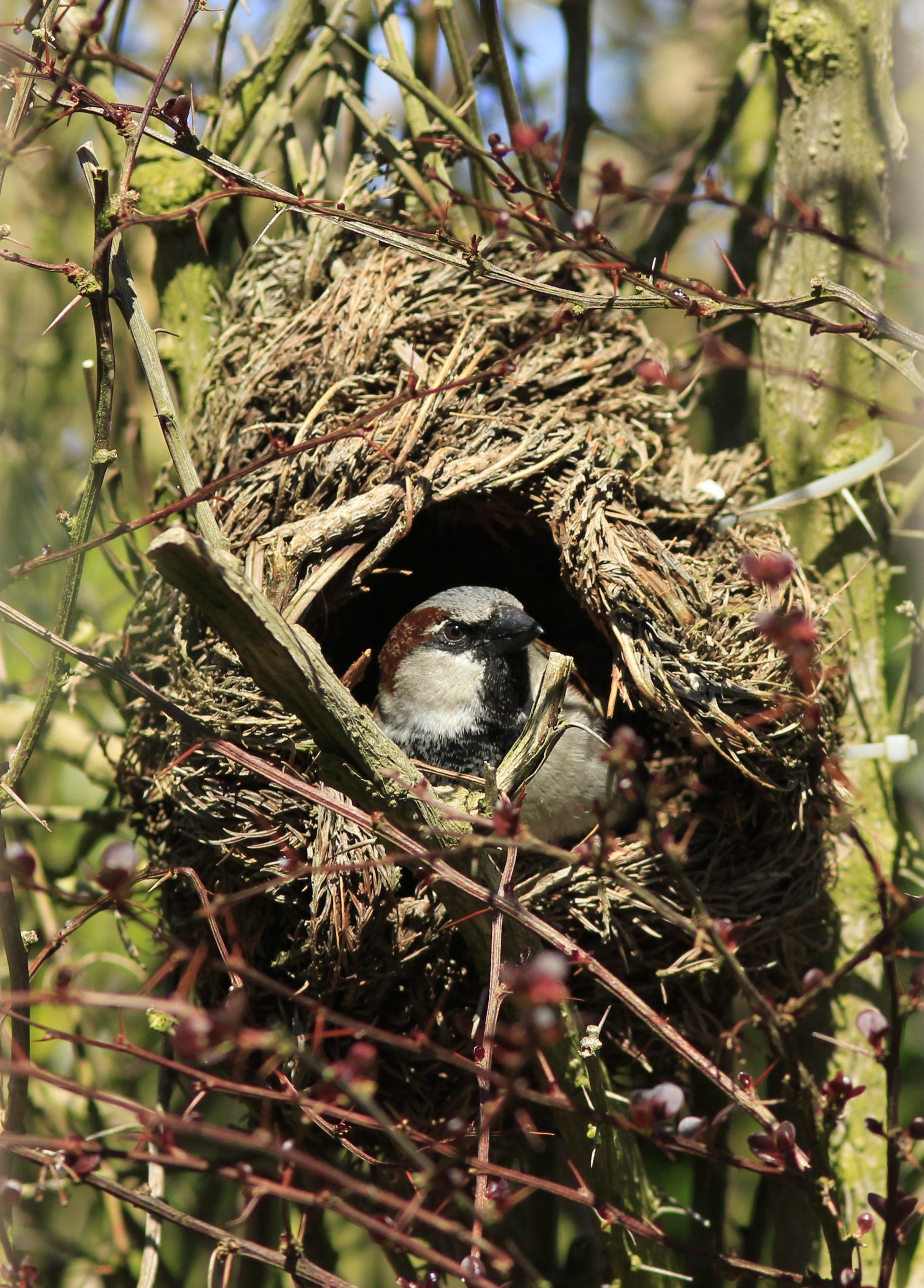
House Sparrow
House Sparrow
A Robin is now calling nearby, making that distinctive chipping sound so reminiscent of autumn. They have been absent for a while, moulting quietly out of sight, and have been missed. It won’t be long now before they are joined by their brighter continental cousins for the winter. I was told as a child that the British Robin has a breast the colour of tomato soup and the foreign Robin has a breast the colour of tomato ketchup. I’ve never tested the theory and can find little evidence to support it. Either way, what is reputed as Britain’s favourite garden bird has returned to his familiar place — and very welcome he is too, although I am not quite ready to relinquish summer.
The British Trust for Ornithology (BTO) has run the year-round Garden Birdwatch scheme since 1995. The aim is to better understand the importance of gardens as habitat and how birds and other wildlife interact with them. If you’d like to take part in the BTO Garden Birdwatch, check out our blog, https://goathlandnature.com/bto-garden-birdwatch/ or scan the QR code to get registered: